
Science
Reinventing Pain Relief at
The Problem
Traditional morphine creates a twofold burden on patients: physiological (dose-limiting respiratory depression and tolerance) and social (risk of drug abuse, diversion, and stigma)

Increased drug liking and abuse liability
Increased risk of respiratory depression
MLB-001 integrates three synergistic pharmacologic mechanisms
Engineered for rapid onset, prolonged duration, and comparable efficacy at half the conventional morphine dose.
Mechanism of Action
Controlling the Pharmacokinetics of Morphine
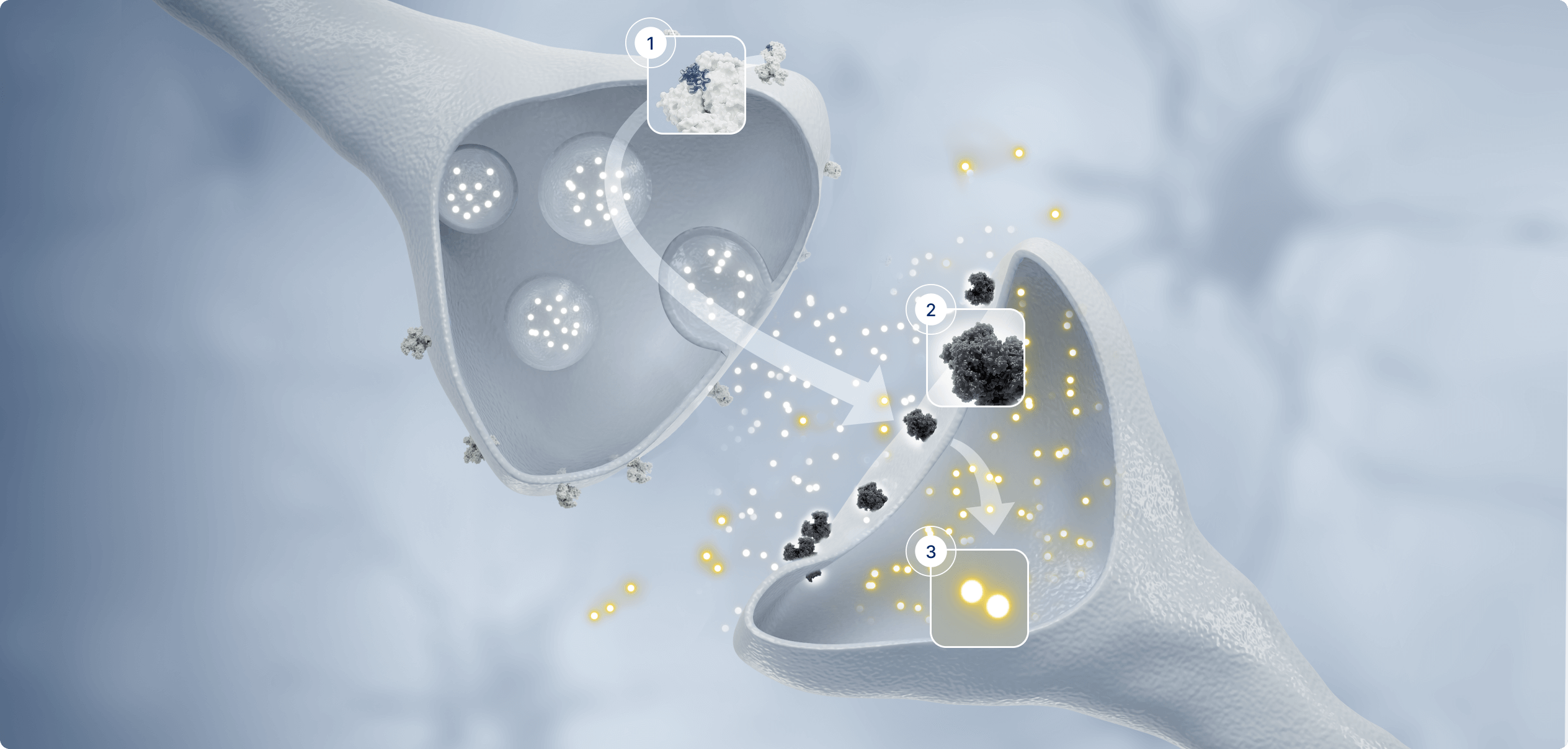
Traditional Morphine
-
1
Morphine binds to mu receptor and causes excessive release of glutamate
-
2
Glutamate binds to the NMDA receptor, eventually re-sensitizing the neuron and leading to more and more Morphine being needed
-
3
Activation of NMDA receptors increases calcium influx, promotingneuroadaptations linked to tolerance, central sensitization, reward-related reinforcement, and abuse potential (drug liking).
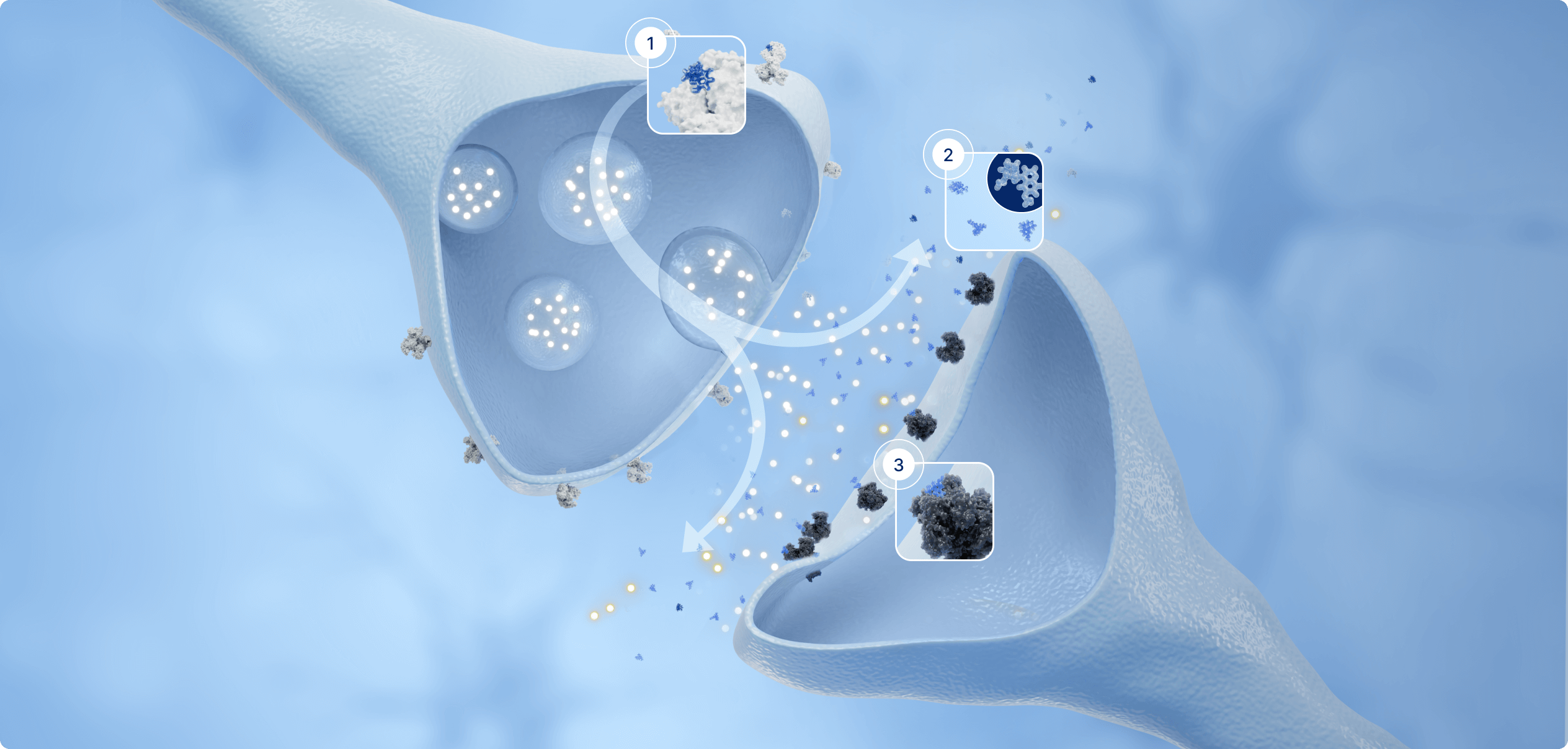
MBL-001
-
1
Morphine binds to mu receptor, as before
-
2
Quinidine protects Dextromethorphan from being rapidly metabolized, increasing its bioavailability more than twenty-fold
-
3
Dextromethorphan binds and inactivates the NMDA receptor, blocking the vicious cycle

Morphine
Drives potent, fast-onset analgesia.
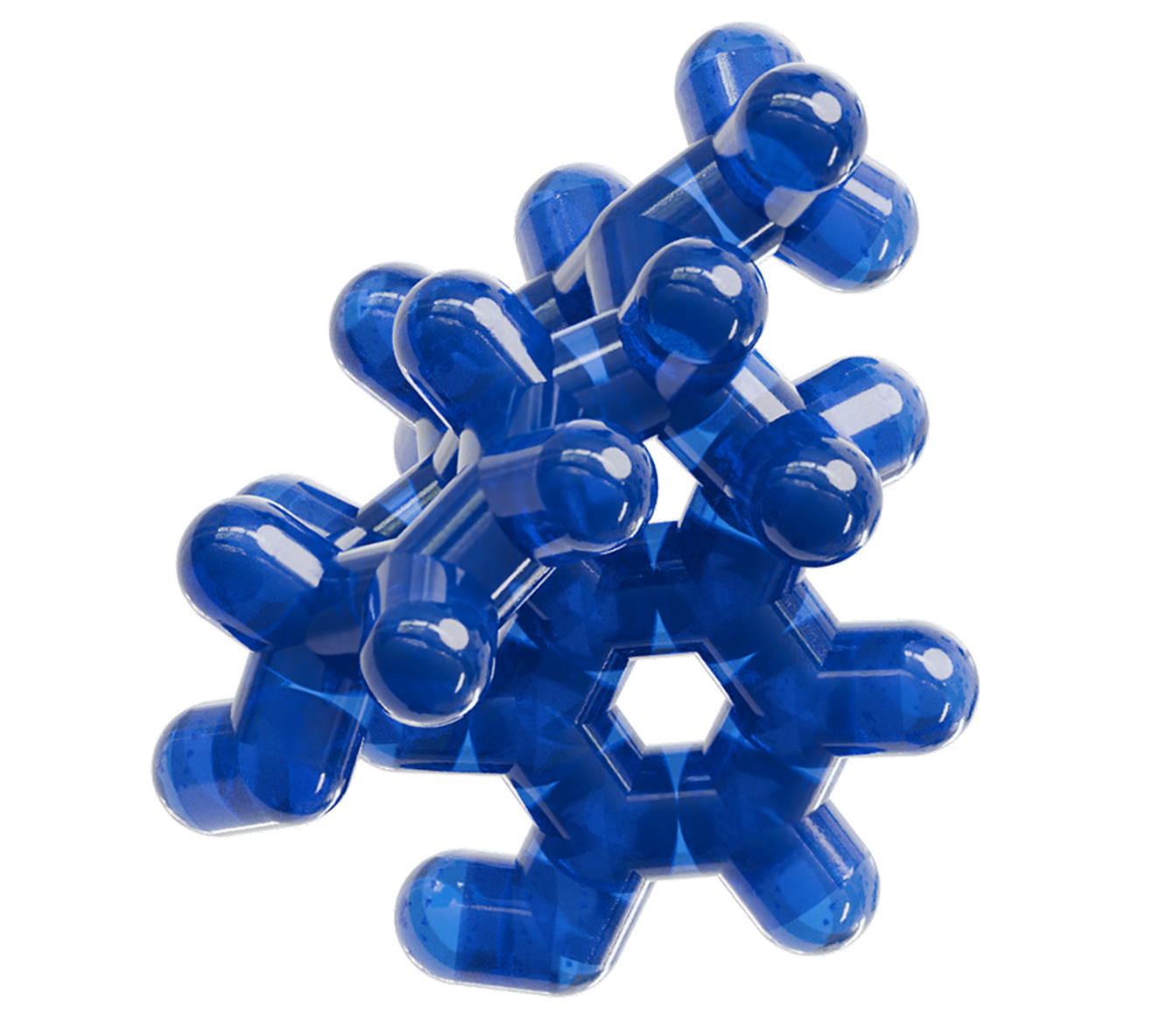
Dextromethorphan
Enhances and extends morphine’s analgesic window

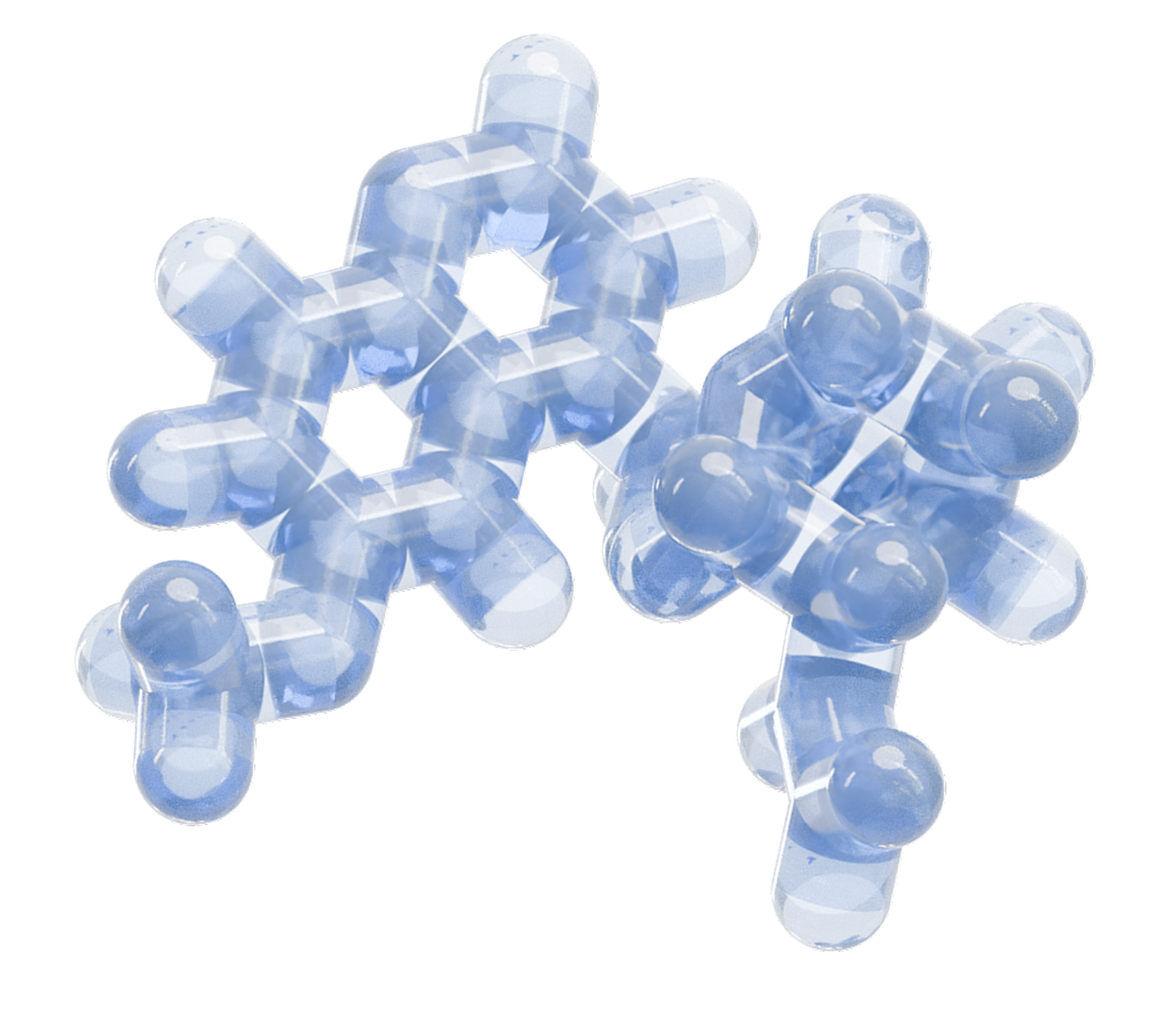
Quinidine
Stabilizes dextromethorphan exposure
MindLab’s Class Effect
MindLab’s clinical development evaluates analgesic potency at 50% morphine dosing, reduced side effects, extended duration, and faster onset.
Half the Dose

Fewer Side Effects

Faster Onset

Longer Duration